











From WhatsApp to TikTok: Young Kericho Farmers Embrace Digital Farming to Spur Sustainable Agriculture
By Vincent Koech
Technology has affected every aspect of our lives. Digital devices have proliferated, redefining how we carry out our everyday tasks. In agriculture, the intersection of technology and farming has led to the rise of digital farming, a practice that uses digital platforms to share and showcase farming knowledge and experiences.
The Food and Agriculture Organization (FAO) defines digital farming as the transformation of business operations throughout the farming value chain through the use of digital technology, innovations, and data.
Agroecology and the Technology Revolution
Agroecology, a sustainable form of food production in agriculture that uses locally accessible resources for the mutual benefit of people, animals, plants, and the environment, has grown in popularity over the years. This sustainable organic farming practice has also been immensely revolutionized by technology.
Young Farmers Lead the Way
In Kenya, young farmers have embraced social network sites not only to carry out agribusiness but also as an education platform for sharing farmer-to-farmer knowledge.
Silas Kipruto, a young smallholder organic farmer from Kericho, runs his agribusiness through WhatsApp groups and TikTok.
A visit to his half-acre farm reveals his sustainable farming activities, which include raising black soldier flies (BSF), chickens, rabbits, dairy goats, and multi-story gardens.
Silas notes that every aspect of farming is interdependent, saying, “I rely on BSF for chicken feed, and I rely on chicken and my dairy goats for animal manure to replenish nutrients in my multi-story gardens.”
He started his farming journey in 2012 after failing to secure formal employment upon graduating from university.
In 2017, he turned his agribusiness marketing to digital media. Silas conducts agribusiness and educates farmers interested in organic farming and multi-story gardens via Facebook, TikTok, and WhatsApp Status. His videos on the TikTok account @SilasKipruto4 highlight his poultry business, multi-story gardens, farmer education programs, and school field trips.
Silas Kiprotich (in black t-shirt) uses WhatsApp status and TikTok to connect and share experience with farmers
“I find that WhatsApp Status is the best way to connect with other farmers because it has the highest interaction rate. More than 4,000 people follow my TikTok channel,” Silas states.
He notes that mainstream media visits to his farm have given him visibility and contributed to his achievements on social network sites.
Gideon Kiprotich, another vibrant Kericho farmer, relies on digital platforms to interact with and sell crop seedlings to farmers.
He was named the 2024 Nairobi International Trade Fair's winner of the Best Youth in Agriculture award. In 2020, Gideon established a vegetable seedling propagation nursery, which now provides thousands of crop seedlings each month to farmers around Kenya.
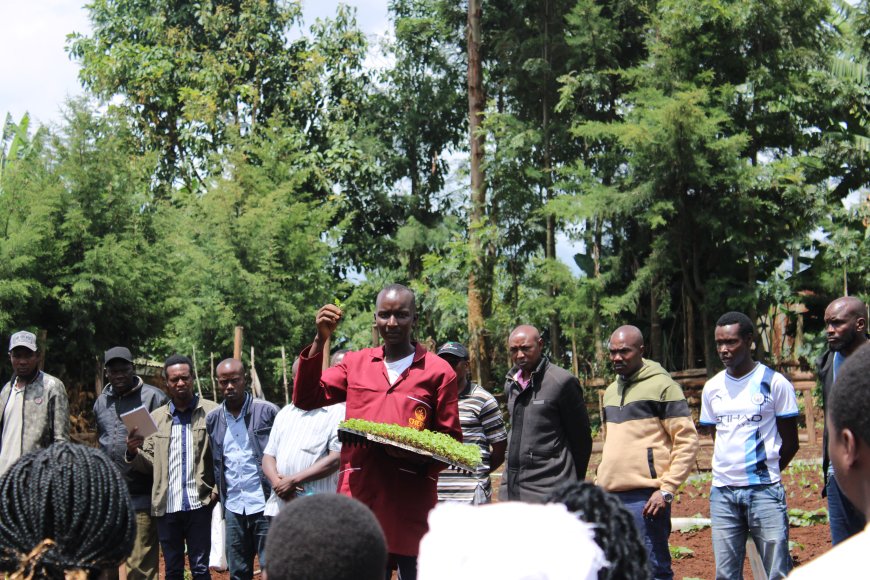
Additionally, he conducts a free monthly on-site farmer training. His sustainable farming practices on his 1-acre farm include mulching, irrigation, crop protection, crop nutrition, crop rotation, intercropping, and farm hygiene.
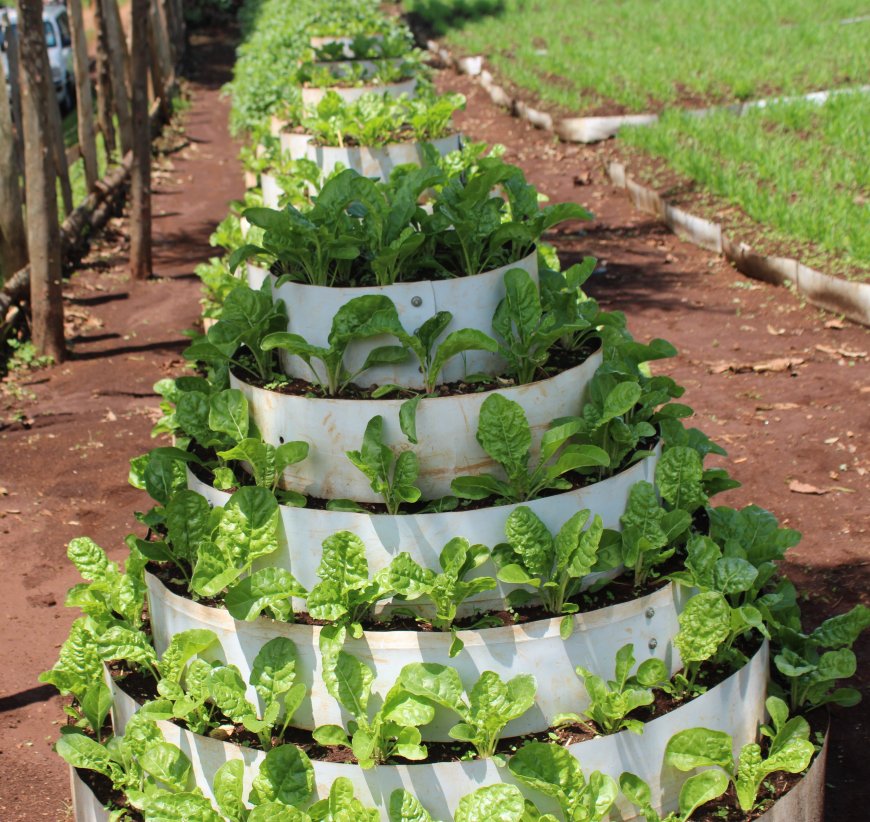
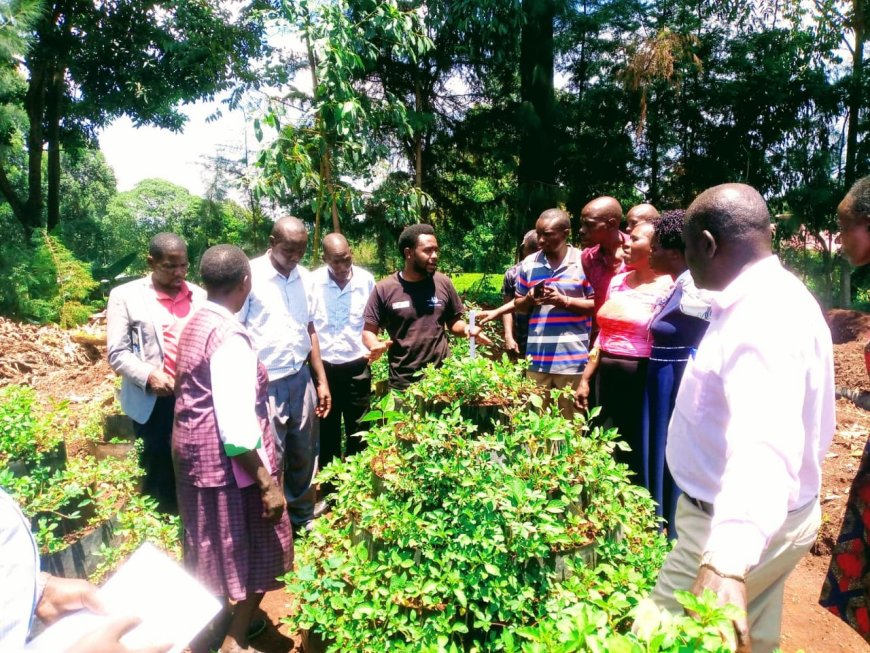
Multi storey vertical gardens at Cheres farms and nursery
Cheres Farm (@cheresfarmandnursery) boasts 9,200 followers on TikTok and over 20,000 likes on its videos. On TikTok, the farm showcases visual and graphic content on seedling production and emerging trends in agriculture.
His Facebook page has 8,000 likes and 12,000 followers. He points out that his farm and nursery WhatsApp group, with over 1,000 members, is an effective digital platform with active daily farmer engagement. He says he gained huge visibility and agribusiness success across the country through his use of digital platforms.
Organizations Integrate Digital Farming
Organizations are also embracing digital platforms as a means of communication with their networks of farmers.
Biovision Africa Trust, a non-governmental organization that works to improve farmer livelihoods in Kenya and encourage sustainable farming methods, runs a farmer communication program through mainstream media, digital media, and outreach teams to disseminate key information on sustainable farming to thousands of farmers throughout Kenya.
Faith Maiyo, a digital content moderator at Biovision Africa Trust, notes that the organization offers several tools designed to reach farmers based on their device accessibility.
“We have Infonet, a web-based library platform for farmers, journalists, and researchers looking for information on sustainable crop and animal farming. We also have interactive voice chat and an SMS short-code service for farmers with feature phones to access tailored farming topics,” says Faith.
Challenges in Transforming Sustainable Farming through Digital Platforms
Digital farming has its drawbacks in fully transforming the way farmers interact and adopt modern farming ideas. Silas, whose content format is completely visual and video-based, laments that inadequate technical knowledge in developing content is a barrier to showcasing his sustainable farming stories.
“I am unable to create interactive and engaging content that captures the attention of my customers and farmers seeking to learn sustainable farming techniques,” says Silas.
Gideon notes that the majority of farmers own smartphones but lack the digital literacy to carry out basic research online. He says that he has a dedicated team of tech-savvy farm assistants who develop content for marketing, training, and educational materials for social media sites.
“Digital farming is now a vital component of our farm activities. We aim to consistently create content that reflects what our farm and nursery undertakes,” Gideon adds, emphasizing that digital literacy awareness is necessary to ensure that farmer-to-farmer messaging is clear and understandable.
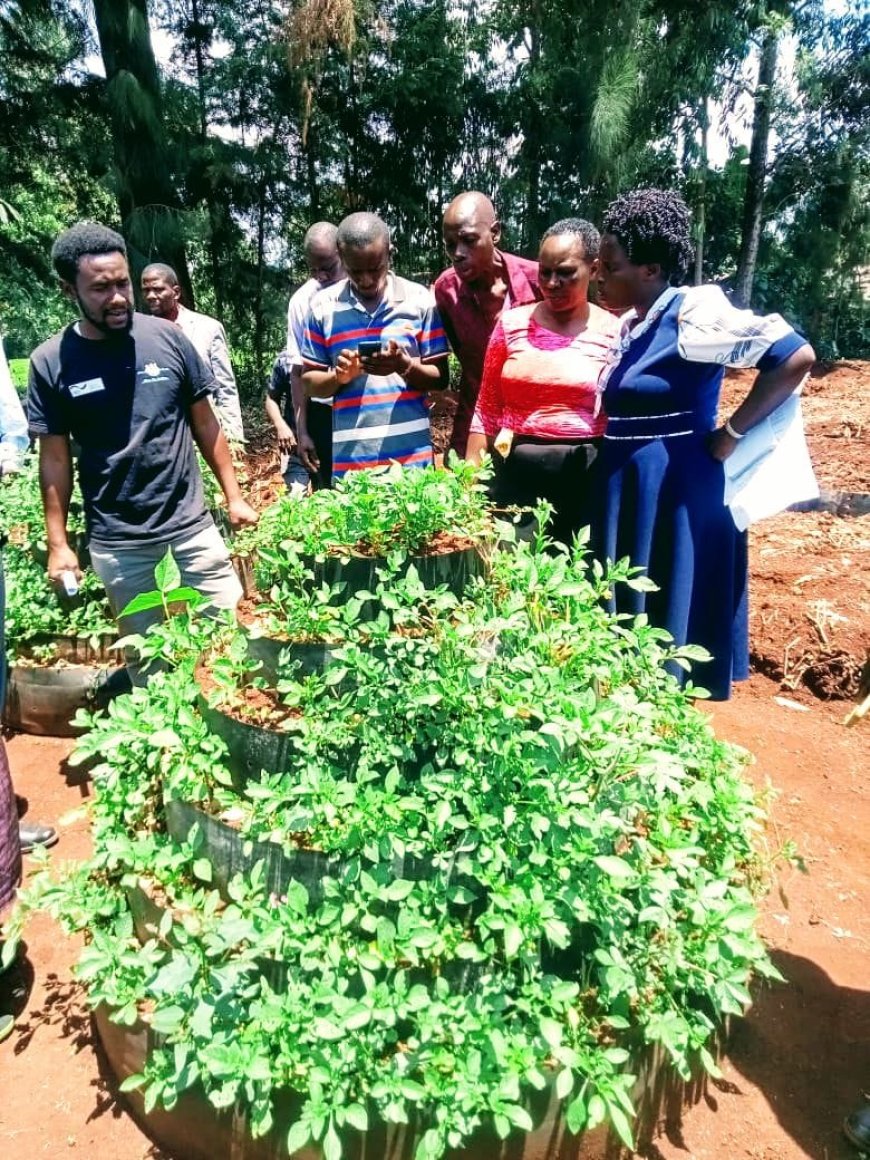
Silas Kipruto (in black t-shirt) showcases his vertical gardens to farmers onsite and online
Biovision Africa Trust faces similar barriers in the digital farming landscape. Faith Maiyo states that digital illiteracy and language barriers affect content development and communication platforms.
However, they have mechanisms for addressing these challenges. “We have outreach teams on the ground to help farmers who encounter language barriers. We also have a feedback system that guides our content creation and evaluates the effectiveness of our information dissemination tools,” Faith adds.
Opportunities in Digital Farming
Silas says there are countless opportunities for young farmers looking to showcase their work in sustainable and digital farming.
“It will take time and consistency to learn the challenges and build market networks to finally turn things around,” he concludes, adding that he has employed eight full-time farm assistants, charging as little as KSh 2,000 to sell and install a single vertical garden.
Biovision Africa Trust is in the process of developing a personalized WhatsApp chatbot to provide relevant farming updates, agroecology information, and real-time weather notifications.
“We plan to provide digital literacy training to our farmer networks to ensure the effective dissemination of information via our digital platforms,” Faith notes. “We will also integrate artificial intelligence (AI) tools to help with targeted content creation that can be consumed with ease.”
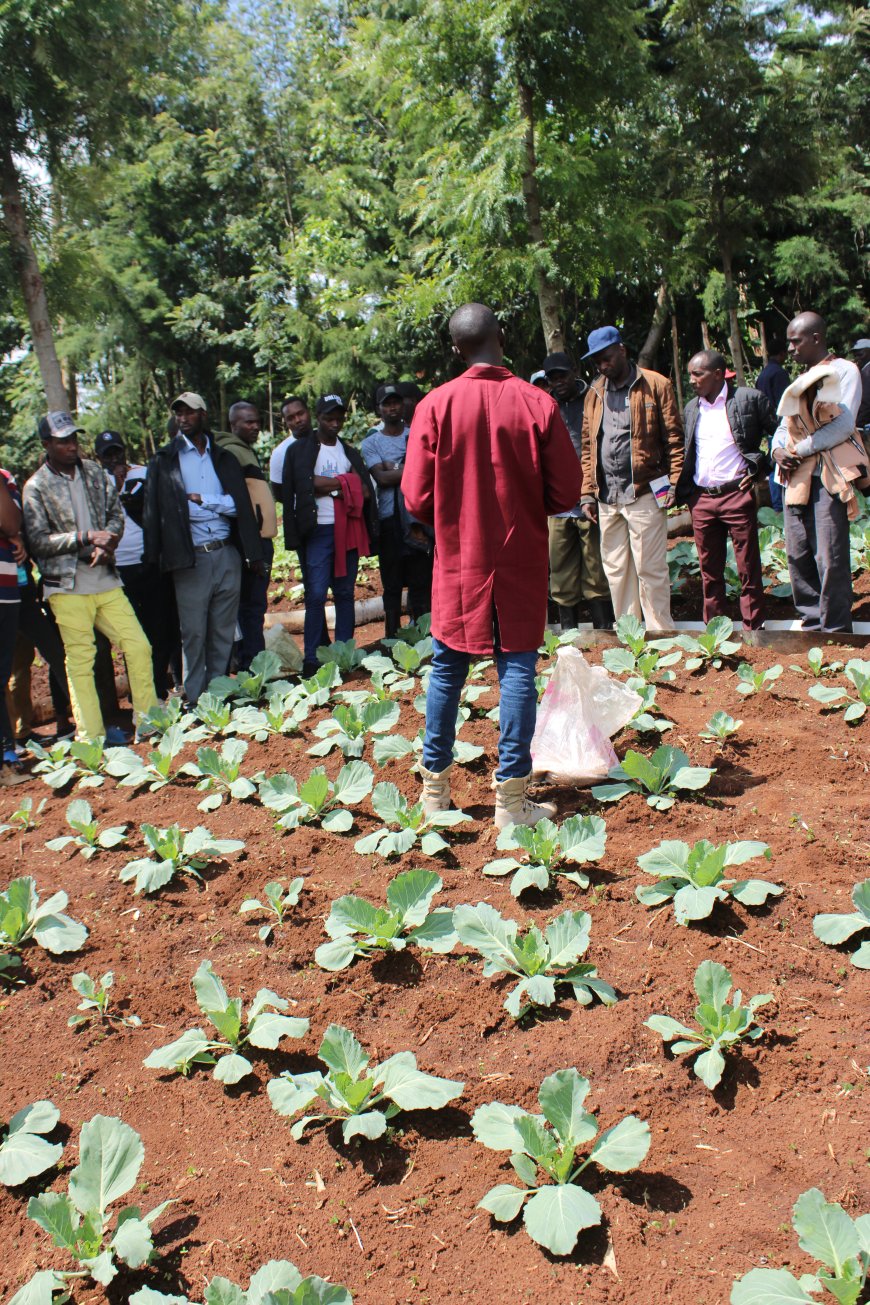
Gideon Kiprotich teaching farmers crop rotation , nutrition and protection of vegetables
Sustainable farming, Faith believes, is key to attaining food security in Kenya. She reiterates that it is a gradual process that requires time and persistence for farmers to achieve maximum yields from their farm produce.
Gideon believes agribusiness and digital farming offer enormous opportunities to address both food production and digital literacy gaps in agribusiness.
“Farmers send me photos of their thriving farm produce regularly, which is a clear sign that the knowledge transfer is successful,” Gideon adds.
Silas has achieved success from his small farm and his efforts to establish himself on digital platforms, showing that this is just the tip of the iceberg. Change is inevitable, and as humans adapt to change, it is clear that the digital barriers hindering the transformation of agriculture will soon be addressed, unlocking unlimited opportunities in agribusiness.
What's Your Reaction?