




Ignorance of Rights Still Limits Inclusion for Kenya’s Persons with Disabilities
Despite constitutional protections, many Persons with Disabilities in Kenya still miss out on key services because they don’t know their rights. Through stories from PWDs, caregivers and experts, this feature reveals the gap.
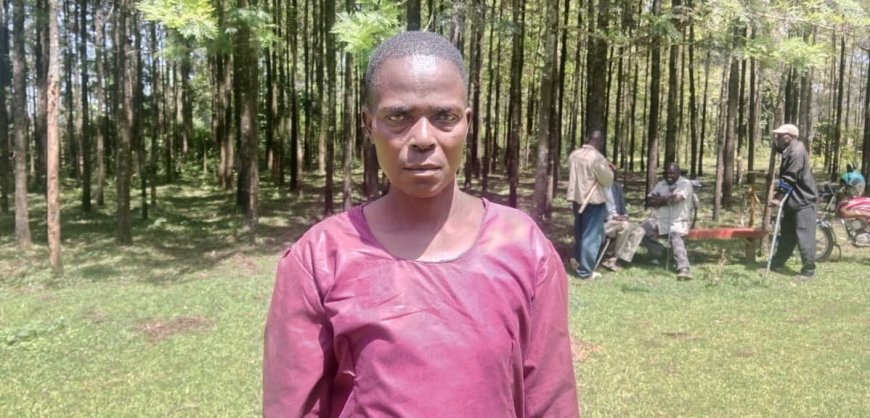
Many persons with disabilities (PWDs) in rural areas remain unaware of the rights guaranteed to them under the Constitution, severely limiting their access to government benefits and protections, a recent awareness session has confirmed.
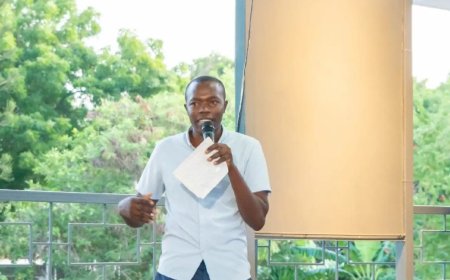
The gap in knowledge became starkly clear during a training session held in Malava Subcounty by the Trust for Indigenous Culture and Health (TICAH).
John Shayo, one of the PWD attendees, expressed that he and others from rural backgrounds were previously oblivious to the specific articles in the Constitution that address their needs.
“Most of the PWDs from rural areas like us didn't know our rights, nor some of the articles that focus on us in the Constitution. After this session with TICAH, we have understood our rights and our mandate as per the Constitution. I have come to realize that the Kenyan Constitution is very well elaborated and it recognizes PWDs,” said Shayo, who strongly recommended the session for all PWDs in Kakamega County and Kenya.
For caregivers, the session provided crucial practical information. Selina Kakai, a mother and caregiver to a child with cerebral palsy, emphasized the importance of formal registration.
“I have learnt today that the PWD certificate is a must because this opens doors to many opportunities. With the certificate, I am able to ask for a bursary for my child. Also, it will help PWDs during employment where they come highly recommended,” said Kakai.
Vowing to educate other PWDs, Kakai called upon the county government to decentralize the training: “I would like to call upon the county government to start having such sessions in every sub-county to educate the PWDs. Parents who have disabled children, I would like to encourage them to come out and defend their constitutional rights.”
The session provided a necessary foundation for attendees, who were then given a critical assessment of the state of rights implementation by civic educator Catherine Namai Shiundu.
Expert Criticizes Low Implementation
A civic education expert, Catherine Namai Shiundu, the Secretary General of the Kakamega County Disability Caucus, strongly criticized the low implementation of Kenya's 2010 Constitution and key disability laws, arguing the priority should be enforcement, not amendment.
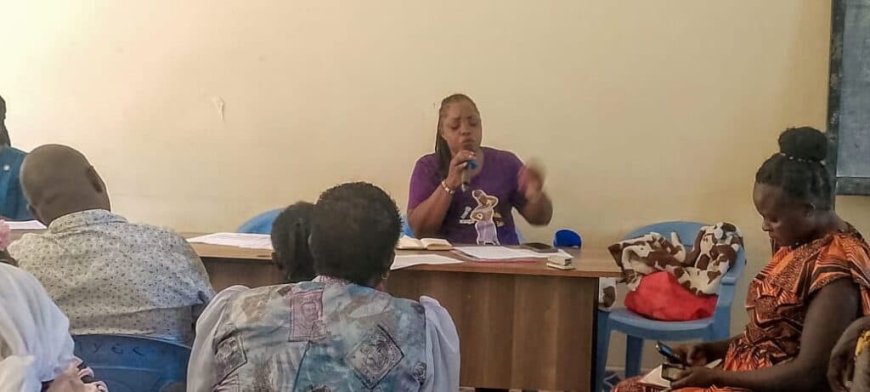
A civic education expert, Katherine Namai Shiundu, the Secretary General of the Kakamega County Disability Caucus, during the session, photo SP
Speaking at a training session organized by the Trust for Indigenous Culture and Health (TICAH) at the Malava Youth Empowerment Centre, Shiundu highlighted a significant lack of awareness among citizens, especially youth and persons with disabilities (PWDs).
"Today, we are educating each other on the implementation of the Constitution," Shiundu stated. "Out of over 200 people here, more than a hundred do not know anything about the Constitution. Even when they shout, 'My right, my right,' they don't know where that right originates."
The training, held strategically ahead of the Malava by-election, saw a large attendance of PWDs, whom Shiundu said accounted for over 70% of participants.
She emphasized that Article 54 of the Constitution's Bill of Rights, along with the national and county-specific disability acts, referencing the Disability Act 2025 and the Kakamega County Disability Law 2022, grants PWDs fundamental rights that remain largely unknown and unenforced.
"Many PWDs are still unaware of these rights," she noted. "A person just thinks that merely stating 'I have a right' is enough, but they don't know which specific rights apply to them."
Shiundu robustly rejected calls for amending the 2010 Constitution, maintaining that it is "the best constitution we've ever had" in Eastern and Central Africa.
"There is absolutely no need to amend the Constitution right now," she asserted. "The existing Constitution should be implemented as it is. It has very critical clauses that the government has not even begun to implement. Matters of accessibility have not been achieved. Matters of equal rights, including the five percent job employment quota; they haven't even reached three percent."
She argued that current amendment talks are driven by "selfish interests" and that implementation must be prioritized before any review.
Low Enforcement and Budgetary Gaps
When pressed on the level of implementation for disability laws, Shiundu rated the national enforcement level as below 50%. For Kakamega County's own disability law, she placed the implementation at a mere 20%.
The biggest challenge, she explained, is the lack of a dedicated disability budget within the county government.
"We still don't have a disability budget in Kakamega County. If we had a disability budget, we would move at a greater pace," she said, noting that PWD needs are currently dependent on small, inadequate allocations from general ministry budgets.
Furthermore, she revealed that many county departments are far from the 5% job quota for PWDs, with some hiring only 1% to 2% due to a lack of awareness among hiring officers who fail to grant priority to qualified PWD applicants.
Shiundu strongly encouraged PWDs to register formally to unlock their rights, detailing the simplified, decentralized process.
"For you to be recognized in Kenya as a PWD, the first thing is you must register as a person with a disability," she said.
She confirmed that the process in Kakamega County is now free, with medical assessments done at Level 4 hospitals and above. The final disability certificate is processed digitally, allowing applicants to upload documents from a cyber café or smartphone and receive the certificate notification within 24 hours.
"The assessments have been returned to the grassroots, and certificate registration has been returned to a digital system, which is very easy," she concluded, urging the 200 attendees to use this information for advocacy and community action.
What's Your Reaction?