




Investigative Journalism Training Offers Safety, Support, and Purpose to Journalists
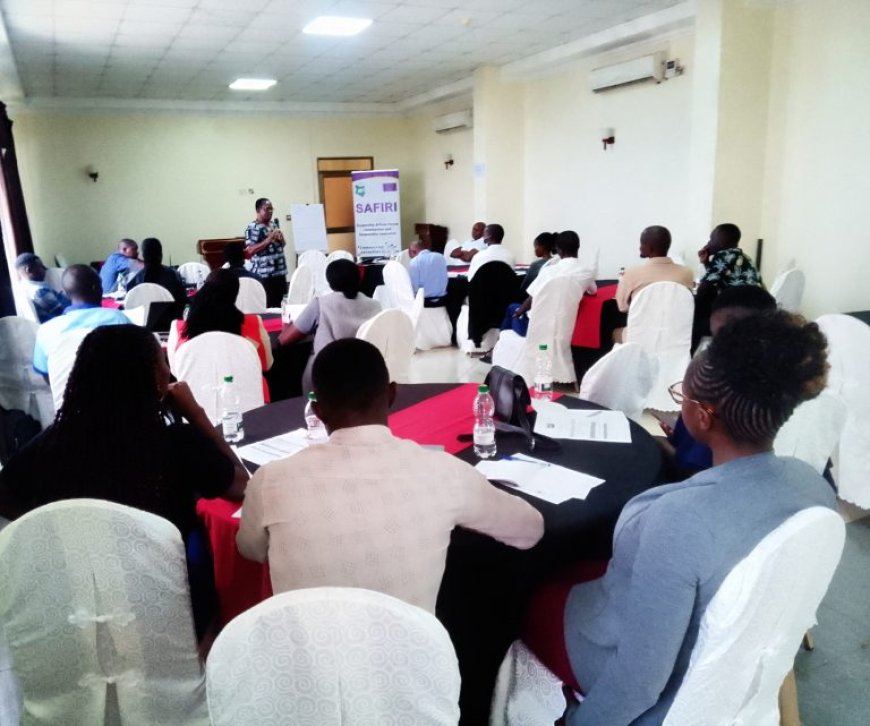
In a quiet Kisumu hall, a group of young journalists sat in deep focus, notebooks open, pens ready, and hearts heavy with the stories they carry.
They had come from different parts of Nyanza: Migori, Siaya, Homa Bay, Kisumu, Kakamega, Kisii, Bungoma, Busia, and Eldoret. They weren’t just there for training, but to find community, safety, and a renewed sense of purpose in a profession that often feels lonely and risky.
This wasn’t just another media workshop. For many in the room, it felt like someone had finally acknowledged the struggles they face on the ground, from threats and burnout to limited support. More importantly, they were being equipped with practical tools to navigate those challenges.
“We are dedicated to bridging this gap,” said Hudson Araka Matara, the National Chair of the Kenya Correspondents Association (KCA).
“Our trainees will not only acquire essential skills but also the courage to report ethically and responsibly, supported in ways they have never experienced before.”
The event marked the first milestone in SAFIRI - Supporting African Future Investigative and Responsible Journalism, a bold three-year initiative spearheaded by KCA with backing from the European Union, in partnership with ASPEN and Free Press Unlimited.
The project’s mission is to restore the power and purpose of journalism in an era of misinformation, economic strain, and declining public trust.
Over the next three years, SAFIRI will train 60 emerging journalists from Nyanza, Nairobi, and the Coast region. But this is no generic crash course. It’s a deep dive into the art of investigative journalism, how to uncover corruption, track governance failures, and document human rights abuses without fear or favor.
Participants will learn everything from digital verification and data sourcing to personal safety and ethics in hostile environments.
KCA’s Director of Programs, William Oloo Janak, emphasized that journalists covering sensitive stories frequently face harassment, threats, and violence, often from powerful state actors.
“The primary goal of this project is to strengthen independent, diverse, and investigative journalism in Kenya. We also aim to empower local media, enhance collaboration with civil society organisations (CSOs), and promote access to quality information,” Janak explained.
Why It Matters Now
Kenya’s media industry is facing serious headwinds: shrinking revenues, the rise of fake news, and a growing disconnect with younger audiences who prefer fast-paced digital content. Rural and underserved communities remain underreported, leaving governance issues and public accountability unchecked.
SAFIRI hopes to shift this by not only sharpening journalists’ skills but embedding them in networks of civil society actors and community leaders. The goal is to make journalism more inclusive, community-driven, and focused on solutions.
With this project, KCA also plans to host a series of media dialogue forums in Kisumu, Nairobi, and Mombasa. These won’t be the typical press conferences.
They’ll be open conversations, where journalists sit across from women leaders, youth groups, and representatives of marginalized communities, to explore how news can better reflect real-life concerns and uncover overlooked facts through investigative journalism.
Janak stressed that the foundation of the project is built on the belief that with proper training, support, and funding, journalists can produce bold, ethical stories that drive change.
“Well-trained journalists will be better equipped to report on issues of corruption, human rights abuses, and governance failures while combating fake news and misinformation. They will not only educate their audiences but also influence policy changes,” he said.
To support impact-driven journalism, SAFIRI will award 15 investigative reporting grants focused on corruption, human rights, and governance. The initiative also includes legal aid and psychological support to ensure journalists aren't left vulnerable when they face backlash from powerful forces.
What's Your Reaction?







-
 Joshua WilsonJust wanted to mention "Cheering"; it might be misspelled. spellhelper.com or a similar tool could help verify this easily. Best regards, Joshua Wilson