






Kenya Makes Significant Strides in Reducing Tobacco Harm

By Melisa Mong'ina
Tobacco use remains one of the leading causes of preventable deaths globally. In Kenya, it accounts for 8,000 deaths annually, according to the World Health Organization (WHO). Addressing this issue, the media plays a crucial role in raising awareness and advocating for tobacco harm reduction.
The Kenya Global Adult Tobacco Survey (GATS) of 2014 revealed alarming statistics. Approximately 15.1% of men, 0.8% of women, and 7.8% overall (1.7 million adults) smoked tobacco. An additional 5.3% of men, 3.8% of women, and 4.5% overall (1 million adults) used smokeless tobacco. Alarmingly, 72% of daily tobacco users consumed tobacco—either smoke or smokeless—within 30 minutes of waking up.
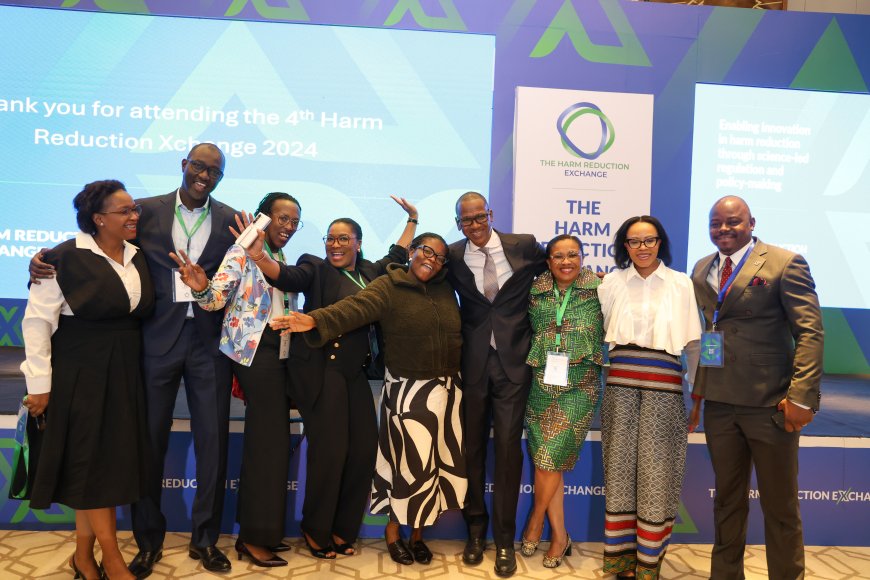
Participants during the Harm Reduction Exchange event
A Personal Story: Transition to Tobacco Harm Reduction
Leyian Amos, a consumer advocate, began smoking at 17, a habit that lasted nine years. What started as occasional puffs while drinking alcohol soon spiraled into full-fledged addiction.
“I started smoking when I was 17 years old and smoked for nine years. It wasn’t immediate—it started slowly, during drinking, but soon became an addiction,” he shared.
Two years ago, Amos transitioned to nicotine pouches, which he describes as a less harmful alternative to smoking. While he acknowledges they are not completely safe, he highlights their advantages: fewer harmful chemicals, the absence of strong cigarette odors, and ease of disposal.
“Two years later, I transitioned to nicotine pouches, and it has been a beneficial journey. We're not saying it's good, but it’s less harmful with fewer chemicals. People around you don’t feel the odor, and you can easily dispose of it,” Amos explained.
Amos urged young people not to use nicotine pouches or e-cigarettes recreationally. He emphasized that these products are designed as harm reduction tools, not for entertainment. He also encouraged young people to resist peer pressure and make informed choices.
“I advise young people not to use nicotine for fun because these products are not manufactured for enjoyment. They should do thorough research and avoid peer pressure, especially if they’ve never smoked before,” he stressed.
Media’s Role in Tobacco Harm Reduction

Dr. Mercy Korir giving her keynote speech
During the fourth edition of the Harm Reduction Exchange in Nairobi, Dr. Mercy Korir highlighted the critical role of the media in shaping public discourse on tobacco harm reduction. She noted that media is no longer limited to traditional outlets like television or newspapers but now extends to social media, where everyone can contribute to spreading information—accurate or misleading.
“We have the legacy media, the mainstream outlets, and we also have social media, where all of you are part of the conversation. So, as I speak about the media’s role, I also want you to consider your responsibility in sharing information on social media. We all contribute, whether to information or misinformation,” Dr. Korir stated.
She underscored the global toll of tobacco use, responsible for 8 million deaths annually, and the urgent need for harm reduction strategies to mitigate these risks.
“Globally, tobacco use remains one of the leading causes of preventable deaths, claiming around 8 million lives each year. Scientists worldwide are working to implement harm reduction strategies to address this crisis,” Dr. Korir said.
Dr. Korir also called on journalists to strike a balance in their reporting by prioritizing accuracy, clarity, and transparency. She highlighted the media’s power to shape public perception and influence policies, making ethical reporting critical to public health efforts.
“As journalists, it’s your responsibility to communicate these complex issues with clarity, accuracy, and balance. Studies have shown that media coverage can shape public perception and influence behavior, making the media a powerful force in driving public health initiatives and policy changes,” she explained.
She urged journalists to maintain a commitment to ethical journalism by ensuring that their reporting is truthful and contextually accurate, particularly on sensitive topics like tobacco harm reduction.
“When we approach tobacco harm reduction with a commitment to ethical reporting, our impact on public health, perception, and policy becomes substantial. Providing clear and accurate information enables individuals to make informed decisions about their health and fosters a deeper understanding of public health and policymaking,” she concluded.
The event, themed “Enabling Innovation in Harm Reduction through Science-Led Regulation and Policymaking,” brought together high-level policymakers, public health experts, media professionals, and representatives from the Bar, Hotels, and Liquor Traders Association (BAHLITA).
As Kenya continues to tackle the tobacco epidemic, collaboration between the media, policymakers, and public health stakeholders will be essential in driving harm reduction efforts and safeguarding the health of its citizens.
What's Your Reaction?