









Kigali Launches Africa’s First Urban Cable Car to Tackle Traffic, Emissions
By Thuku Kariuki - In the heart of Rwanda’s bustling capital, a bold vision is taking shape, one that could change the way cities across Africa think about public transport.
With traffic snarls and rising emissions choking Kigali’s roads, a game-changing solution is in the works: the Kigali Urban Cable Car Project.
Backed by a $500,000 grant from the African Development Bank’s Urban and Municipal Development Fund (UMDF), this initiative is set to explore the feasibility of sub-Saharan Africa’s first aerial urban transit system.
Stretching 5.5 kilometers across key corridors in the city, the $100 million project promises more than a scenic ride. It’s about speed, sustainability, and social equity, linking overlooked communities to job centers, reducing travel times to just 15 minutes, and moving over 50,000 passengers daily through the skies of Kigali.
The first phase will establish two critical corridors: one connecting Nyabugogo Taxi Park to the Central Business District, and another linking the Kigali Convention Center to Kigali Sports City, home to landmarks like Amahoro Stadium, BK Arena, and the newly developed Zaria Court. These routes are not only high-traffic but also strategically vital to economic and social mobility in the city.
Designed to integrate seamlessly with Kigali’s existing transport systems, the cable car initiative aligns closely with Rwanda’s climate goals, which include a 38% reduction in carbon emissions by 2030 and achieving carbon neutrality by 2050.
Rooted in the country’s Green Taxonomy, E-Mobility Strategy, and Climate and Nature Finance Strategy, the project stands as a key pillar in Kigali’s sustainable development blueprint.
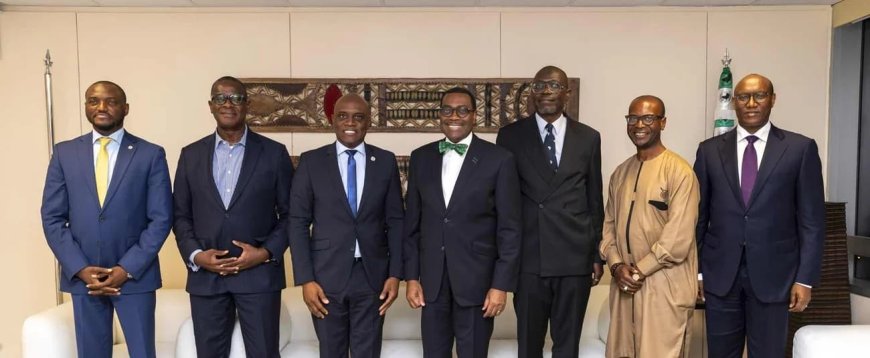
“This transformative project aligns perfectly with the Bank’s vision for sustainable, green, climate-resilient urban mobility infrastructure,” said Dr. Akinwumi Adesina, President of the African Development Bank Group.
“By financing Rwanda’s urban cable car system, we are investing in a scalable model of low-carbon, inclusive public transport that cities across Africa can emulate.”
Beyond its environmental promise, the project will prioritize inclusive access. It will feature accessible cabins for people with disabilities and will be designed to generate employment for women, girls, and low-income communities. It also aims to drive skills transfer and job creation during both the construction and operational phases.
The feasibility study, financed by the UMDF grant, will borrow lessons from successful urban cable systems in places like La Paz, Bolivia, and Singapore, adapting their best practices to Kigali’s terrain and demographics. It also aims to position the cable car project as an attractive investment, leveraging global platforms such as the Africa Investment Forum (AIF).
The UMDF has already played a significant role in Rwanda’s urban development landscape, having supported the Kigali Urban Transport Improvement Project, an initiative that successfully drew investment to upgrade the city’s infrastructure. Now, it turns its attention to assessing the financial and operational viability of this aerial transit system.
The project will be financed through a mix of grants, concessional loans, and commercial funding, with key players such as the International Finance Corporation (IFC), Africa50, the Trade and Development Bank, Africa Finance Corporation, and the Alliance for Green Infrastructure in Africa (AGIA) lined up to support it.
The Rwandan government, alongside the African Development Bank and development partners, will drive this innovative financing structure under a Public-Private Partnership (PPP) model.
“This pioneering feasibility study is a game-changing milestone,” said Solomon Quaynor, African Development Bank Vice President for Private Sector, Infrastructure, and Industrialization. “Through the UMDF, we are laying the foundation for an investment-ready green infrastructure asset that offers both impact and returns.”
Imena Munyampenda, Director General of the Rwanda Transport Development Agency, echoed this sentiment, emphasizing that the PPP approach will unlock private sector expertise while ensuring financial and social sustainability.
As Kigali prepares for construction to begin in late 2026 and the system to become operational by 2028, the Urban Cable Car Project is fast becoming more than a local innovation.
It’s emerging as a pan-African model, an ambitious blend of technology, climate action, and inclusive urban development. By taking to the skies, Kigali may just inspire cities across the continent to reimagine how people move, live, and thrive.
What's Your Reaction?