





Nyatike Farmers Turn to Soya and Sunflower to Beat Hunger
In drought-prone Nyatike, farmers are embracing soya and sunflower farming to fight hunger and secure their future, thanks to a new climate-smart initiative.
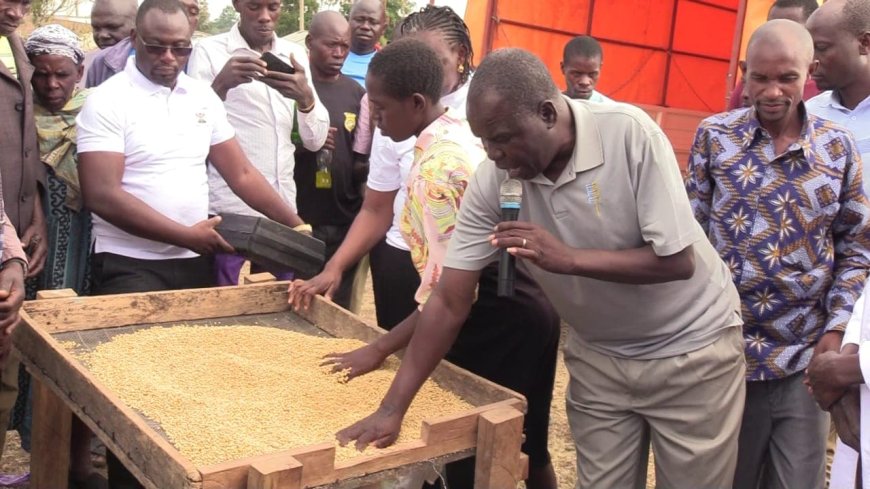
The sun was barely up when a group of farmers gathered in the dusty open field of Ndiwa Village, each clutching a small brown paper bag, not of gold, but of seeds. In a place where rain is rare and hunger a constant worry, these soya and sunflower seeds felt like a lifeline.
For years, Nyatike Sub-County’s parched soil has tested the resilience of its people. Fishing has been the main fallback, but dwindling catches and unpredictable weather have left many households struggling to fill their plates. Now, a new initiative is offering hope and a plan.
The Cereal Growers Association (CGA), through its Farm to Market project and in partnership with the County Government and the World Health Organisation (WHO), is providing short-maturing, drought-tolerant seeds to small-scale farmers in this semi-arid region. The goal: to boost food production and reduce dependence on unreliable rainfall.
“Our mission is simple, to help farmers here grow food they can depend on, and to make sure they have a market for it,” said Janet Omollo, a CGA official. “We’ve been linking them with buyers and organising grassroots aggregation fairs where they learn the quality standards for crops like sunflower, soya, millet, and sorghum.”
The support doesn’t stop at seeds. Through its Tobacco Free Farm program, CGA is raising awareness about the health risks of tobacco farming and guiding farmers toward healthier, more profitable alternatives.
For residents like Charles Onyango, the change is already taking root. “Our area receives very little rainfall, and fishing alone can’t sustain us,” he said, balancing his seed bag in one hand. “These new crops give us a real chance to fill our food baskets and keep hunger away.”
Omollo is urging farmers to diversify their crops, a critical strategy in the face of climate change. “If one crop fails, another can still succeed,” she said. “That’s how we build resilience.”
What's Your Reaction?