





Oceans Take Center Stage: Two Months After UNOC3, Push for a Blue Agenda Continues
Two months after UNOC3, leaders and experts warn that urgent action and funding are needed to protect oceans and drive a sustainable blue agenda.
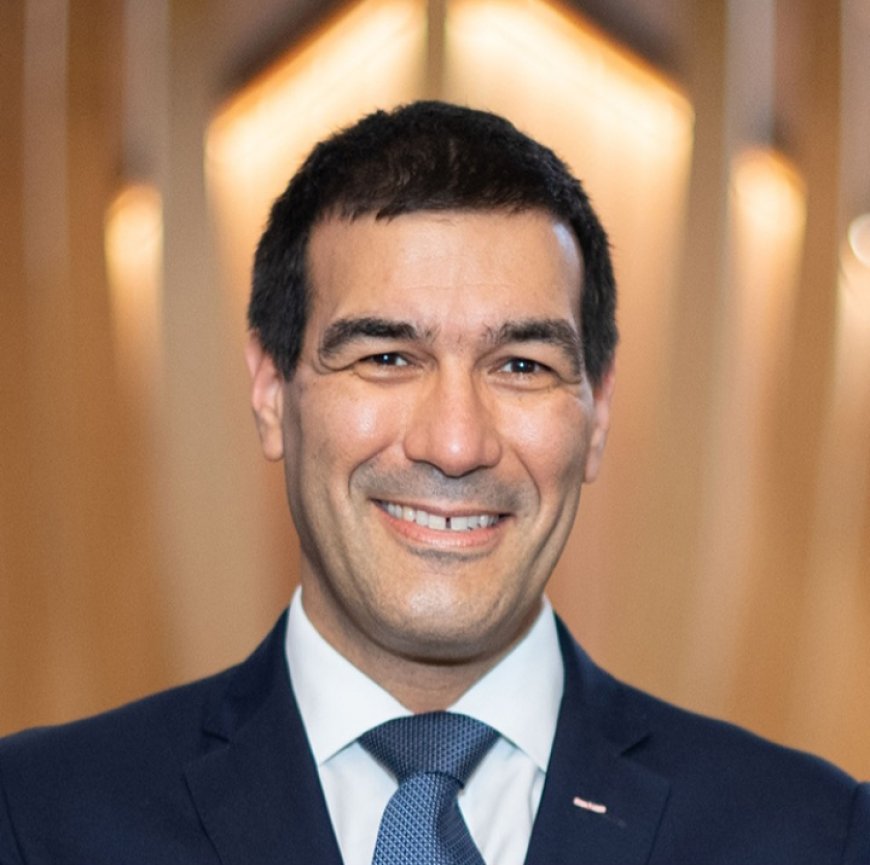
By Thuku Kariuki - Two months may have passed since the Third United Nations Ocean Conference (UNOC3), but the urgency it carried has not faded.
When I caught up with Cyril Gomez, Deputy Director General of the Oceanographic Institute of Monaco, his reflections were a reminder that the ocean’s future is tied to our own.
“The ocean is 70 percent of Earth. It regulates our climate, feeds billions of people, and carries the goods we trade. It was unthinkable that it had no global agenda before,” Gomez said.
Fifteen years ago, the ocean was barely mentioned in international negotiations. Today, it sits at the center of climate, biodiversity, and economic debates, thanks to persistent advocacy from figures such as Prince Albert II of Monaco.
Their push helped secure breakthroughs like the Biodiversity Beyond National Jurisdiction (BBNJ) Agreement, which for the first time makes it possible to protect international waters.
Still, progress comes with a price tag. OECD estimates put sustainable ocean management at $175 billion a year, yet only $25 billion is currently available.
“We need to multiply ocean finance by seven. Governments alone cannot do this, you must convince the private sector that investing in the ocean is not only necessary but profitable,” Gomez stressed.
The call is not to end industries but to rethink them. “Nobody is saying stop fishing or shut down shipping. What we are saying is: do it in a sustainable way. You can still create wealth without destroying the sea,” he added.
But hurdles remain: harmful subsidies that favor unsustainable fishing, lack of insurance for innovative ventures, and the looming debate on deep sea mining.
On the latter, Gomez’s stance is firm: “Deep sea mining could release stored carbon and destroy biodiversity we haven’t even discovered yet. A moratorium is the prudent path.”
His reflections go beyond the high seas, linking rivers and lakes to ocean health: “Water is water. If you don’t manage rivers sustainably, you cannot expect healthy oceans.”
For Gomez and other champions, UNOC3 is not a closed chapter but a rallying point. The ocean, once the forgotten child of diplomacy, is now firmly on the global agenda.
But as Gomez warns, urgency cannot be delayed: “The money is needed not tomorrow, but today. And we have to make sure it goes to the right solutions.”
What's Your Reaction?