









Outcry in Nyanza as Leaders Demand End to KSh3,000 Junior School Feeding Fee
Leaders in Nyanza are pushing to scrap a controversial KSh3,000 junior school feeding fee, warning it burdens parents, threatens free education, and could force vulnerable pupils out of school.
By Sarah Otiende - What was meant to keep children in classrooms is now threatening to push them out. Leaders across the Nyanza region have mounted a sustained campaign to scrap a controversial KSh3,000 school feeding levy imposed on junior school pupils, terming it punitive, ill-timed, and a direct threat to the constitutional promise of free basic education.
The levy, charged to parents to cater for midday meals in public junior schools, has ignited outrage among lawmakers, community leaders, parents, and education stakeholders.
Critics argue that the fee piles further pressure on households already grappling with the rising cost of living, food insecurity, and mounting school-related expenses under the Competency-Based Curriculum (CBC).
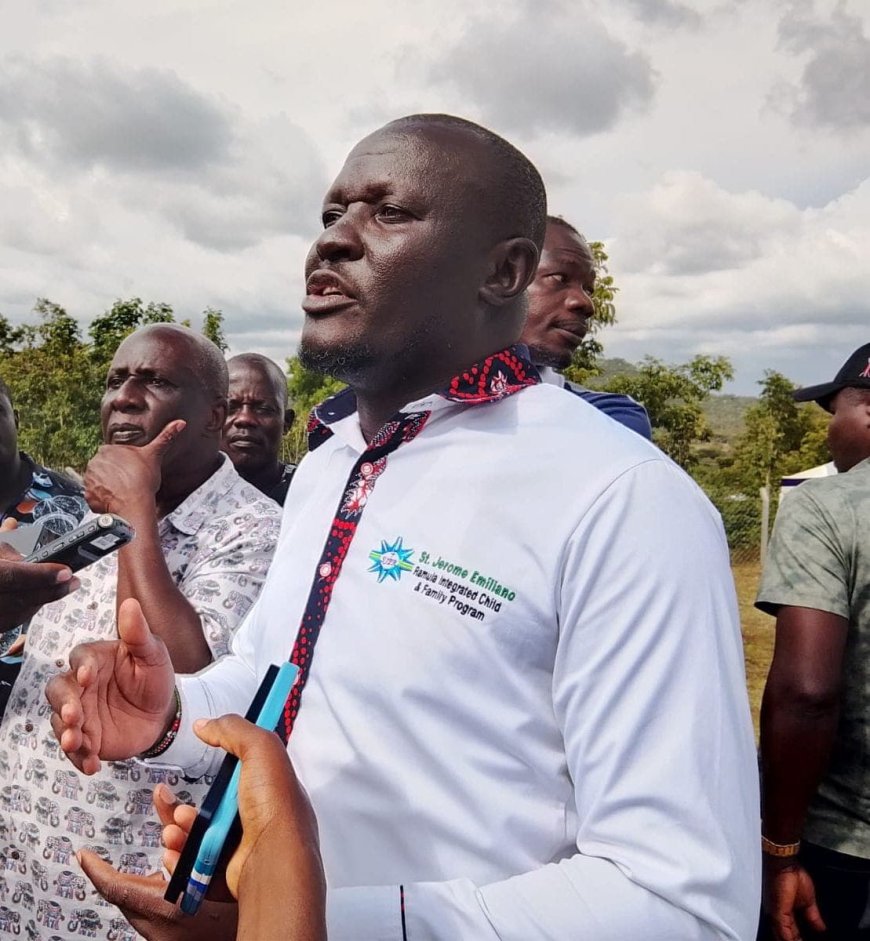
Speaking during the fifth anniversary celebrations of St Jerome Emiliano Ramula Children’s Centre in Alwala, Seme Sub-county, Seme Member of Parliament Dr. James Nyikal strongly condemned the mandatory charge, saying it was introduced without sufficient public participation.
“This levy will only deepen the crisis for parents who are already struggling economically. Many households have children in both junior and senior schools. Asking them to shoulder an additional KSh3,000 per child is simply unacceptable,” Dr. Nyikal said.
The legislator accused the Ministry of Education of failing to adequately consult parents and education stakeholders before rolling out the fee, warning that such policies risk undermining the constitutional guarantee of free and compulsory basic education.
Dr. Nyikal pledged to push for the removal of the levy when Parliament resumes, noting that school feeding programmes should be funded through government allocations rather than parental contributions.
For parents on the ground, the levy is already having real consequences. At a public junior school in Seme, one parent, Mary Achieng’, says the fee has forced difficult choices at home.
“I have four children in school. Paying KSh3,000 for each one just for meals is impossible. Sometimes we are told the children may be sent home if the money is not paid. It is painful because education is supposed to be free,” she said.
Education advocates warn that such charges could lead to increased absenteeism, dropout rates, and inequality, particularly among families in informal settlements and rural areas.
Community Voices Raise Alarm
Also addressing guests at the Alwala event, Elly Opondo, director of St Jerome Emiliano Ramula Children’s Centre, described the levy as impractical and detached from everyday realities.
“For a parent with six children, this becomes an enormous burden. We risk seeing learners sent home, missing lessons, or idling during school hours simply because their caregivers cannot afford these charges,” Opondo said.
He called on the national government to urgently intervene, especially as projections point to worsening food insecurity and economic hardship among vulnerable households in the region.
The children’s centre, which supports some of the most at-risk families in Seme, has increasingly shifted from relying solely on corporate donors to mobilizing individual well-wishers. Currently, it sponsors about 250 underprivileged learners from surrounding public schools, helping cover meals, uniforms, and basic learning needs.
Pressure Mounts on Authorities
The backlash in Nyanza comes amid a broader national debate on how school feeding programmes should be financed. While experts agree that nutrition plays a critical role in improving attendance, concentration, and learning outcomes, many insist that the cost should not be passed on to parents.
Education analysts argue that introducing mandatory levies contradicts government commitments to free basic education and risks reversing gains achieved through donor-supported and state-funded feeding programmes, particularly in marginalized regions.
“School meals are not a luxury; they are an essential support system. Any policy around them must protect low-income families and uphold equity,” said an education policy expert familiar with CBC implementation.
As pressure mounts, leaders in Nyanza say they are exploring legislative, administrative, and advocacy avenues to have the fee abolished. Parents’ groups are also considering petitions and formal complaints to education authorities.
For families already stretched thin, the outcome of this debate could determine whether children remain in classrooms, or are pushed out by costs that free education was meant to eliminate.
What's Your Reaction?