










Powering Burundi’s Future: Inside the Jiji Hydropower Revolution
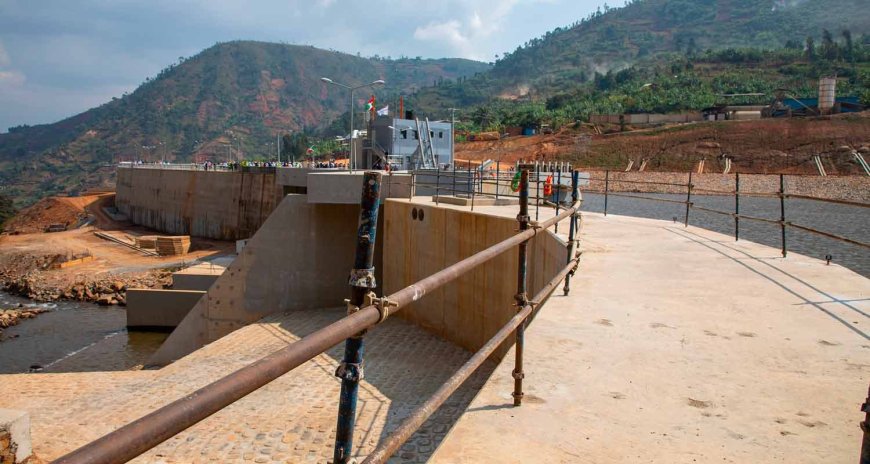
By Thuku Kariuki - Nestled in the lush green hills of Bururi province, the Jiji hydroelectric power station hums to life, a powerful symbol of Burundi’s growing energy ambitions.
When President Évariste Ndayishimiye officially inaugurated the plant, he wasn’t just commissioning a piece of infrastructure. He was ushering in a new chapter in the country’s journey toward energy independence.
“Energy is the lifeblood of development,” the president declared, as national leaders and international partners gathered to witness the milestone. That moment marked more than the flip of a switch, it signaled the beginning of a transformation.
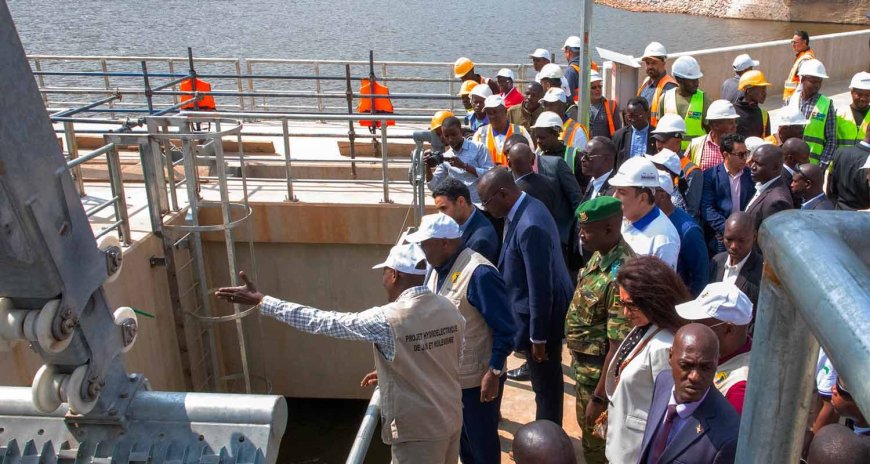 President Évariste Ndayishimiye on a guided tour of the power plant, with the reservoir visible in the background-1
The Jiji plant is part of the $320 million Jiji and Mulembwe Hydropower Project. Together with its sister station, Mulembws, set for completion soon, the project will generate a combined 49.5 megawatts of power, translating into 235 gigawatt-hours of clean, renewable electricity every year.
This is not just about lighting homes. It’s about powering progress. The energy will reach at least 15,000 households, 7,000 small businesses, and 1,700 industrial sites, ranging from rural health centers to growing agribusinesses and emerging tech startups.
Backed by a coalition of global partners, including the Mulembwe Hydropower Project. ($22 million), the European Investment Bank ($36.6 million), the World Bank ($149.4 million), the European Union ($95 million), and the Government of Burundi and its energy agency REGIDESO ($16.7 million), the project is a blueprint for impactful development.
“This is more than just infrastructure,” said Hawa Cisse Wagué of the World Bank. “It’s a catalyst for economic and social growth, enabling industrialization and creating jobs.” Elisabetta Pietrobon of the EU echoed this, emphasizing that energy is a pillar of development and that the EU had been part of the project from its design to its delivery.
The ripple effects are already visible. The construction of the plant created hundreds of local jobs and infused new life into Bururi’s economy. More importantly, it equipped the community with valuable skills that will outlast the project itself.
Now, with power flowing steadily, small and medium-sized enterprises are gearing up to expand. Local and foreign investors are eyeing the region with renewed interest.
“This plant is a beacon of sustainable prosperity,” said Pascal Yembiline, African Development Bank’s Country Manager for Burundi. “It sets the tone for a vibrant, investment-friendly future.”
Beyond economic benefits, Jiji stands tall as a model of climate-smart development. By reducing dependence on imported fossil fuels, Burundi is positioning itself as a regional leader in the shift toward clean energy.
“It aligns perfectly with the EU’s vision for sustainable infrastructure in Africa,” noted Edward Claessen of the European Investment Bank.
As Burundi works toward its Vision 2040 and 2060 goals, emerging economy by 2040 and developed nation by 2060, the Jiji hydropower plant is more than a power source.
It’s a symbol of hope, resilience, and renewal. It’s lighting homes, powering dreams, and paving the way for a brighter, more inclusive future where every Burundian has the opportunity to thrive.
What's Your Reaction?