




UNCTAD Helps Developing Countries Turn Plastic Waste into Sustainable Ocean Trade

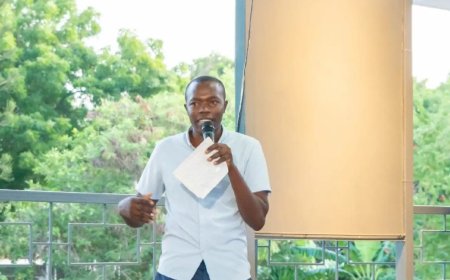
By Thuku Kariuki - At the UN Ocean Conference in Nice, Dr. Chantal Line Carpentier spoke to the Africa 21 Association about how her team at UNCTAD is helping developing countries transform their ocean resources into opportunities without harming the planet.
During the Third UN Ocean Conference (UNOC3), UNCTAD's Trade, Environment, Climate Change, and Sustainable Development branch showcased its commitment to advancing sustainable ocean economies, particularly in developing countries.
With climate change posing significant risks to marine ecosystems, UNCTAD’s initiatives focus on leveraging trade opportunities while promoting environmental conservation and economic resilience.
The branch’s representative outlined a multifaceted approach that emphasizes innovative solutions, such as non-plastic substitutes and data-driven strategies, to empower developing nations.
UNCTAD’s sustainable ocean economy program lies at the heart of its mission, recognizing the ocean as both a valuable asset and a vulnerable space for emerging economies.
“The program operates through five key units: trade and climate, trade and ocean economy, trade and biodiversity, national climate export strategy, and sustainable manufacturing and circular economy. These units tackle interconnected challenges, from climate impacts to biodiversity loss, while promoting economic growth,” stated Dr. Chantal Line Carpentier.
These principles prioritize compliance with environmental laws, biodiversity conservation, and sustainable livelihoods.
A significant focus of UNCTAD’s work is addressing the global plastic pollution crisis through the promotion of non-plastic substitutes, particularly in developing countries.
“Non-plastic substitutes can be derived from bamboo, banana leaves, and pineapple leaves,” the representative explained, highlighting the potential of using agricultural byproducts in the circular economy.
Often discarded and burned, these materials contribute to CO2 emissions, yet they hold untapped potential as sustainable packaging solutions. Seaweed, in particular, shows promise as a substitute for plastic film in the food trade, giving developing countries a competitive edge in global markets.
However, challenges remain, such as high tariffs on agricultural goods and stringent phytosanitary standards that may hinder trade in these substitutes.
UNCTAD is addressing these barriers through technical cooperation and consensus-building.
“We’re assisting several African countries with their non-plastic substitute regulations,” Dr. Chantal Line Carpentier said, emphasizing the importance of science-based policymaking to support sustainable trade practices.
By developing databases on trade in ocean economies, non-plastic substitutes, and biodiversity, UNCTAD provides developing nations with critical data to navigate global markets.
These efforts are complemented by initiatives like the Ocean Sustainable Strategy, piloted in Barbados and set for broader rollout, which helps countries identify tradable species, meet sustainability standards, and foster regional collaboration.
Dr. Chantal Line Carpentier also highlighted the importance of addressing regulatory constraints to ensure fair trade.
“Tariffs on agriculture are significantly higher than those on industrial goods,” she noted, pointing out how this disparity affects non-plastic substitutes.
UNCTAD advocates for a global standard, such as a codex for non-plastic materials, to reduce unfair trade restrictions and enhance market access for developing countries.
This is especially vital in regions like East Africa, where plastic pollution is rampant and economic hurdles make the shift to greener alternatives more difficult.
Beyond technical support, UNCTAD is fostering multilateral cooperation. At the conference, they supported the Ocean Action Panel and hosted sessions at a pavilion in the green zone, partnering with France, Portugal, Angola, and the UK to engage the public on issues like plastic substitution.
These efforts align with ongoing negotiations under the Intergovernmental Negotiating Committee (INC) on plastic pollution, where UNCTAD has influenced the inclusion of language supporting non-plastic substitutes to promote sustainable trade practices.
UNCTAD aims to support countries reliant on plastic production, particularly those tied to fossil fuels, by promoting reskilling programs and alternative economic opportunities to alleviate the impacts of reducing plastic production.
Their work with countries like The Gambia demonstrates how trade can be incorporated into Nationally Determined Contributions (NDCs) to advance sustainable fisheries and renewable energy, creating jobs and increasing export value.
These initiatives enable UNCTAD to assist developing countries in sustainably utilizing their ocean economies while balancing economic growth with environmental stewardship amidst climate challenges.
Produced in partnership with Africa 21 Association.
What's Your Reaction?