









What Kenya’s Latest Wildlife Census Says About Species Recovery and Decline
Kenya’s latest wildlife census records recovery for elephants and rhinos, while birds, ungulates and marine species continue to decline across key ecosystems.
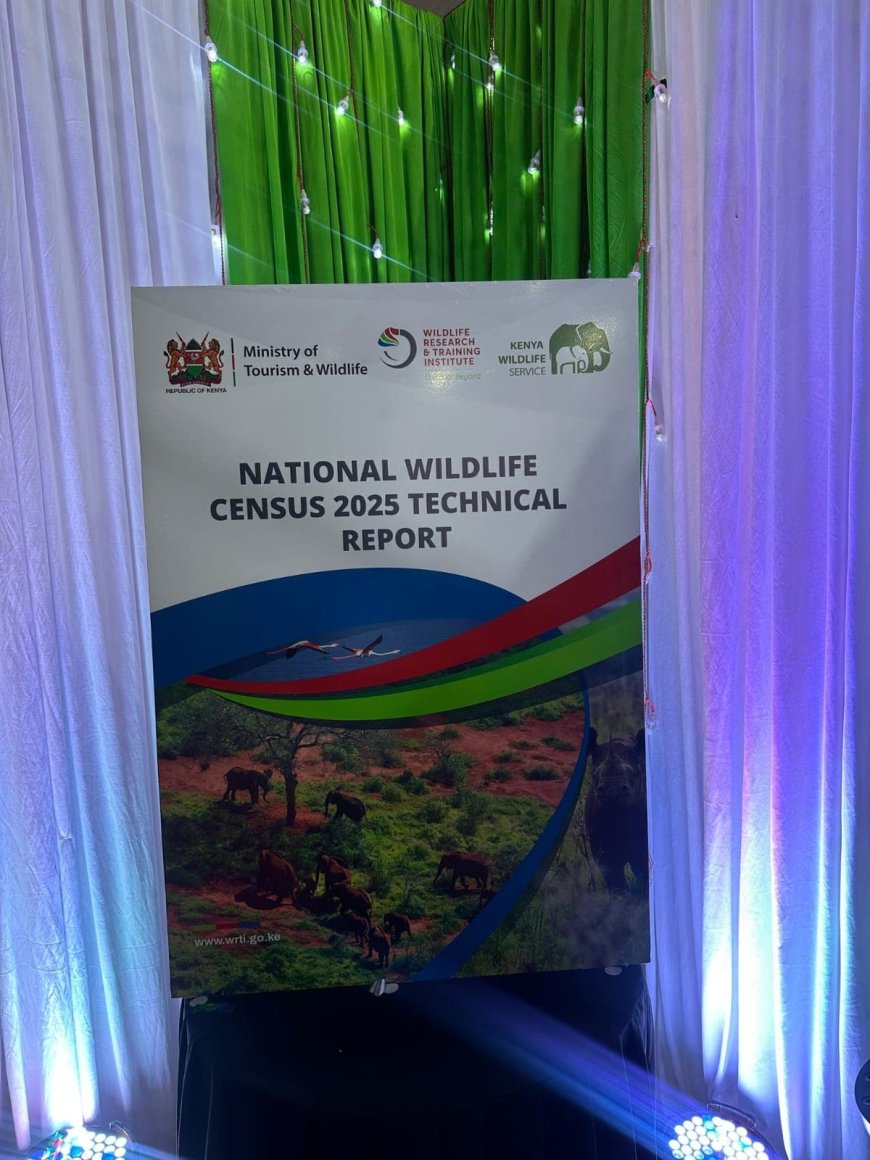
By Daniel Furnad and Thuku Kariuki - The country’s second National Wildlife Census shows that sustained protection has helped some of Kenya’s most iconic animals recover. Elephant and rhino populations are rising, and a few highly threatened species are posting modest gains.
At the same time, many other wildlife groups, including ungulates, birds, carnivores and marine species, are declining sharply, exposing deep imbalances in conservation outcomes.
The census builds on the first national wildlife count conducted in 2021, which exposed alarming population drops and triggered a wave of interventions.
Those efforts focused on research, monitoring, funding, community engagement, legislation, technology and institutional capacity. Four years later, the results suggest that while some strategies are working, others are falling short.
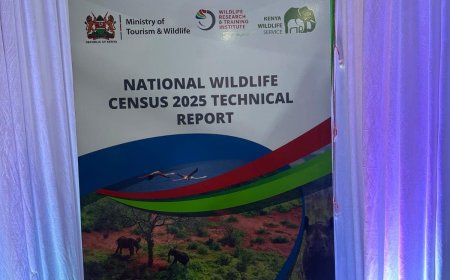
Releasing the report, Tourism and Wildlife Cabinet Secretary Rebecca Miano described the findings as evidence that targeted conservation can work.
“This report tells a story of Kenyan resilience, confirming the triumphant recovery of key species such as the black rhino and the mountain bongo, alongside stable or growing populations of the Big Five,” she said.
“It also highlights the critical role of private and community conservancies, which now serve as vital refuges for wildlife beyond state-protected areas.”
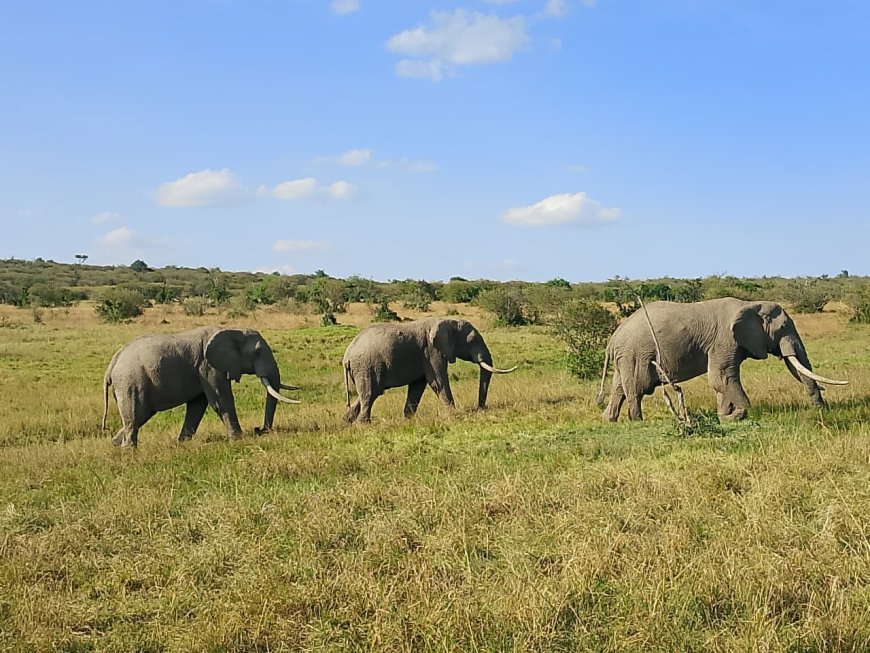
According to the census, Kenya’s elephant population has increased by nearly 6,000 since 2021. Rhino numbers are up by about 300, while giraffes recorded one of the strongest recoveries, increasing by almost 8,000.
Some of the country’s rarest species also showed progress. The Mountain Bongo population grew by approximately 30 individuals, while Roan Antelope numbers rose from 15 to 21.
These gains, however, are not evenly spread across species or landscapes.
The census shows that several wildlife populations continue to shrink. Grevy’s zebra numbers declined by about 200, while rangeland buffalo populations fell by more than 14,000.
The situation is particularly dire for the hirola, also known as Hunter’s antelope. Its population was nearly halved, dropping from 497 to 245. Sable antelope numbers also declined, from 51 to 40.
The data points to a growing divide: species benefiting from intensive protection are rebounding, while those dependent on open rangelands and shared ecosystems are increasingly exposed.
Livestock pressure and climate shocks
One of the strongest drivers of decline identified in the census is the rapid increase in livestock populations. In rangeland ecosystems that also serve as key wildlife habitats, livestock now compete directly with wild animals for grazing and water.
Historical records cited in the report show that growing livestock numbers, combined with poor husbandry practices, have steadily increased pressure on wildlife. Climate change has amplified these challenges.
Reduced rainfall and recurring droughts linked to global climate change have already weakened wildlife populations. Since the 2021 census, Kenya has experienced both droughts and floods, affecting wildlife and livestock alike, including cattle, sheep, goats, camels and donkeys.
While land-based species dominate public attention, the census highlights its most alarming trends in aquatic ecosystems.
Wetland bird populations declined by between 8 and 97 per cent across key habitats. At Lake Elementaita, bird numbers dropped by a staggering 97 per cent between 2023 and 2025. Mida Creek was the only site where numbers increased.
Marine ecosystems are also under severe strain. The census describes many coastal areas as being at a crisis stage, with habitat degradation and unsustainable exploitation threatening marine species that underpin Kenya’s Blue Economy.
How the numbers were gathered;
The scale of the census reflects the diversity of Kenya’s landscapes.
The exercise was carried out by the Wildlife Research and Training Institute, the Kenya Wildlife Service and the Ministry of Tourism and Wildlife, using surveys conducted from the air, on land and at sea.
Large herbivores in savannah habitats were counted using two main aerial techniques to estimate populations of large mammals, those larger than impala, as well as ostriches and livestock, including cattle, sheep, donkeys and camels.
Elephant populations in montane and coastal forests were estimated using the dung density method.
Large carnivores were surveyed using Spatially Explicit Capture–Recapture (SECR) models, which integrate spatial information with identification of individual animals to estimate abundance and distribution.
Black and white rhino numbers were obtained through routine individual identity-based monitoring using direct observation, digital photography and infrared night surveillance. Hippos and crocodiles were counted along shorelines and through aerial or boat surveys.
Waterbirds were enumerated under the International Waterbird Census, coordinated by the National Museums of Kenya, while marine mammals were counted using aerial total counts.
What the census calls for;
Beyond documenting trends, the census identifies what must change.
Among its key recommendations are securing priority wildlife corridors, including fast-tracking the presidential directive on the Athi-Kapiti ecosystem migratory corridor, and reinvesting at least 10 per cent of wildlife-related tourism revenue back into conservation.
The report also calls for reviving 18 dormant national reserves through a joint initiative between the Kenya Wildlife Service and county governments, piloting farming and sustainable utilisation of selected species in conservancies, and initiating socio-economic studies to better understand the drivers of bushmeat hunting.
Other recommendations include protecting fragile ecosystems affected by rising Rift Valley lake levels, closing data gaps on carnivores and small mammals, promoting sustainable use of marine and aquatic resources, scaling up conservation education and youth engagement, and promoting clean energy alternatives to reduce habitat destruction.
President William Ruto said the census provides a guide for future action, linking conservation to economic development.
“This census offers more than ecological data; it provides a blueprint for sustainable economic growth,” the President said.
“Together with county governments, we will use the census findings to revitalise 18 dormant national reserves across the country.”
But conservation leaders warn that progress will depend on how development is managed. Principal Secretary for Wildlife Silvia Museiya pointed to rapid infrastructure expansion as a growing risk.
“Kenya is undergoing rapid transformation, marked by major infrastructure projects: roads, railways, energy corridors, and expanding urban centres that are reshaping our landscapes,” she said.
“While this progress fuels national growth, it also poses challenges for wildlife conservation, particularly for species dependent on large, connected habitats.”
She added that success would depend on collaboration across sectors, from government and conservancies to communities, NGOs, academia and the private sector.
Kenya Wildlife Service Director-General Prof. Erastus Kanga said the real test lies beyond the report itself.
“Ultimately, the true value of this census lies in how we use it,” he said.
“KWS is committed to translating these insights into tangible actions; from restoring degraded habitats and mitigating conflict to expanding partnerships that create opportunities for youth, women, and communities.”
For Wildlife Research and Training Institute Director and CEO Dr. Patrick Omondi, the census represents a broader lesson.
“This achievement reflects what Kenya can accomplish through science, collaboration, and shared commitment,” he said.
“It marks yet another step toward realizing a sustainable future where our wildlife continues to thrive as a living symbol of our national pride.”
The census partners have committed to repeating the exercise every three years, a decision intended to ensure that future conservation efforts are guided not just by optimism, but by evidence, urgency and action.
What's Your Reaction?